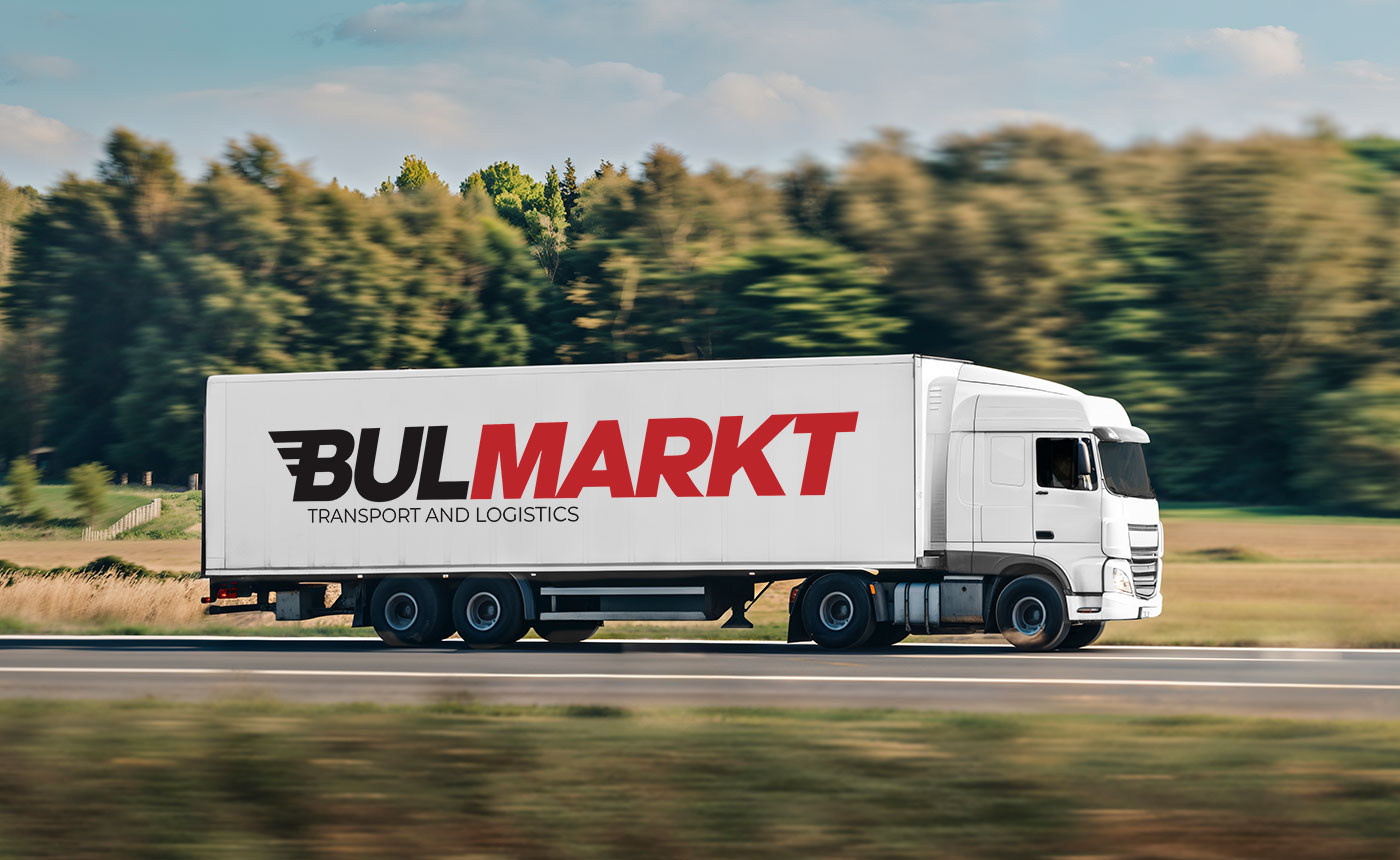



In recent years, the European transport sector has been facing a major challenge – a chronic shortage of professional drivers. This is no longer a temporary issue, but a structural trend that is already having a direct impact on transport prices and the entire supply chain.
How serious is the problem?
Industry data shows that the European Union is currently facing a shortage of over 450,000 truck drivers. At the same time:
- nearly 20% of trucks remain unused due to a lack of drivers
- over 70% of transport companies struggle to recruit staff
- the average age of drivers in Europe exceeds 50 years
The combination of an aging workforce, low interest from younger generations, and demanding working conditions is creating a long-term deficit with no quick solution.
How does the shortage affect prices?
1. Higher labor costs
When demand for drivers exceeds supply, wages naturally increase. This directly raises the cost base of transport services.
The shortage leads to:
- increased demand for limited transport capacity
- higher operational costs
- rising freight rates
2. Reduced market capacity
When there are not enough drivers:
- part of the fleet remains idle
- delivery schedules are delayed
- available transport capacity decreases
The result is a classic market effect – lower supply combined with steady or growing demand leads to higher prices.
3. Longer delivery times
The lack of drivers is already extending transit times by around 10% compared to normal levels.
This leads to:
- higher logistics costs
- the need for larger inventory buffers
Both factors ultimately increase the final price of goods.
4. Increased volatility in the spot market
Capacity shortages also lead to greater price fluctuations, especially during peak periods. In recent years, we have seen:
- an increase in spot rates of around 8% year-over-year
- growing gaps between contract and spot prices
This makes cost planning more difficult for both carriers and their clients.
What does this mean for businesses?
For shippers
- higher transportation costs
- increased need for long-term contracts
- more careful logistics planning
For transport companies
- pressure to raise prices
- competition for qualified drivers
- need for optimization and digitalization
For end consumers
Transport is part of the cost of almost every product. This means the driver shortage indirectly affects:
- retail prices
- inflation levels
- product availability
What can we expect in the coming years?
Forecasts suggest that the problem will continue to grow. We can expect:
- a wave of driver retirements
- insufficient inflow of new workforce
- continued pressure on transport costs
At the same time, additional factors such as environmental regulations, toll systems, and energy costs will further contribute to rising prices.
Conclusion
The shortage of drivers in Europe has already become one of the key factors shaping transport prices. This is not a short-term issue, but a structural shift in the industry.
For businesses, this means one thing:
higher and more volatile transport costs that require better planning, strong partnerships, and optimized logistics strategies.