

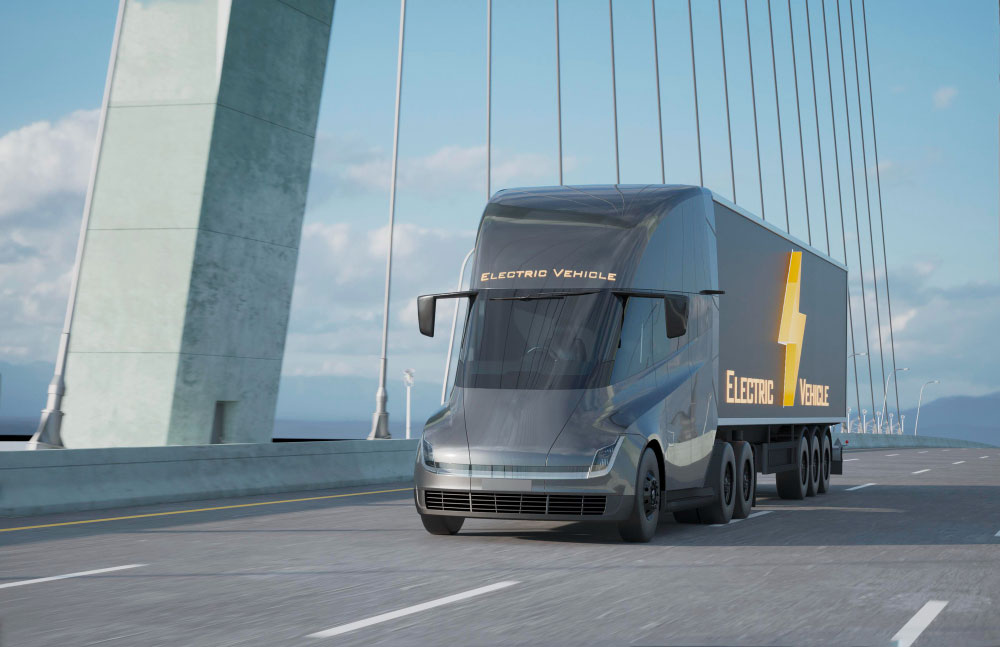
The electrification of transport is no longer a future concept – it is happening now. While passenger cars are rapidly shifting to electric power, heavy-duty transport has been slower to adapt. However, Europe is now gaining momentum, and electric trucks are gradually entering real-world logistics.
So, how far has this transition actually progressed?
From concept to real operations
Just a few years ago, electric trucks were mostly prototypes. Today, leading manufacturers such as Volvo Trucks, Mercedes-Benz Trucks, and MAN Truck & Bus are offering production models already in daily use.
They are mainly deployed in:
- urban distribution
- regional transport
- fixed-route logistics
This marks a key milestone – electric trucks are no longer experimental, but operational in specific segments.
What are the current capabilities?
Today’s electric heavy-duty trucks in Europe typically offer:
- a range of 200–400 km on a single charge
- fast charging up to 80% in about 1–2 hours (with proper infrastructure)
- significantly lower noise and zero local emissions
These features make them well-suited for short and medium distances, though still limited for long-haul transport.
The main challenges
Despite the progress, widespread adoption faces several key obstacles:
1. Charging infrastructure
One of the biggest barriers is the lack of adequate charging infrastructure for heavy-duty vehicles. Unlike passenger cars, trucks require:
- high-power charging stations
- dedicated parking and logistics hubs
- well-planned routes
Europe is investing heavily, but infrastructure still lags behind demand.
2. High upfront costs
Electric trucks are significantly more expensive than their diesel counterparts. Although operating costs can be lower, the initial investment remains a major hurdle.
3. Limited range
While technology is advancing quickly, range is still a limiting factor for long-haul international transport. Diesel trucks therefore remain the dominant solution for now.
How is Europe accelerating the transition?
The European Union is actively supporting electrification through:
- stricter carbon emission regulations
- subsidies and incentives for electric truck adoption
- investments in charging infrastructure
The goal is clear – to significantly reduce emissions from the transport sector in the coming decades.
What does this mean for businesses?
For transport companies, this is not just a technological shift, but a strategic decision.
Short term:
- higher investments
- need for adaptation
- pilot projects and testing
Long term:
- lower operating costs
- improved sustainability
- competitive advantage
Companies that move early will be better positioned for future regulations and market changes.
Conclusion
Electric trucks in Europe are already a reality, but not yet a universal solution. They are proving most effective in regional transport, while long-haul logistics remains a challenge.
One thing is certain:
the transition has begun, and it will accelerate. The question is no longer if, but how fast it will happen.