

In the world of international trade, few countries can claim a geographic position as important as Turkey’s. Located at the crossroads of two continents, the country has long served as a natural bridge connecting Europe, Asia, and the Middle East.
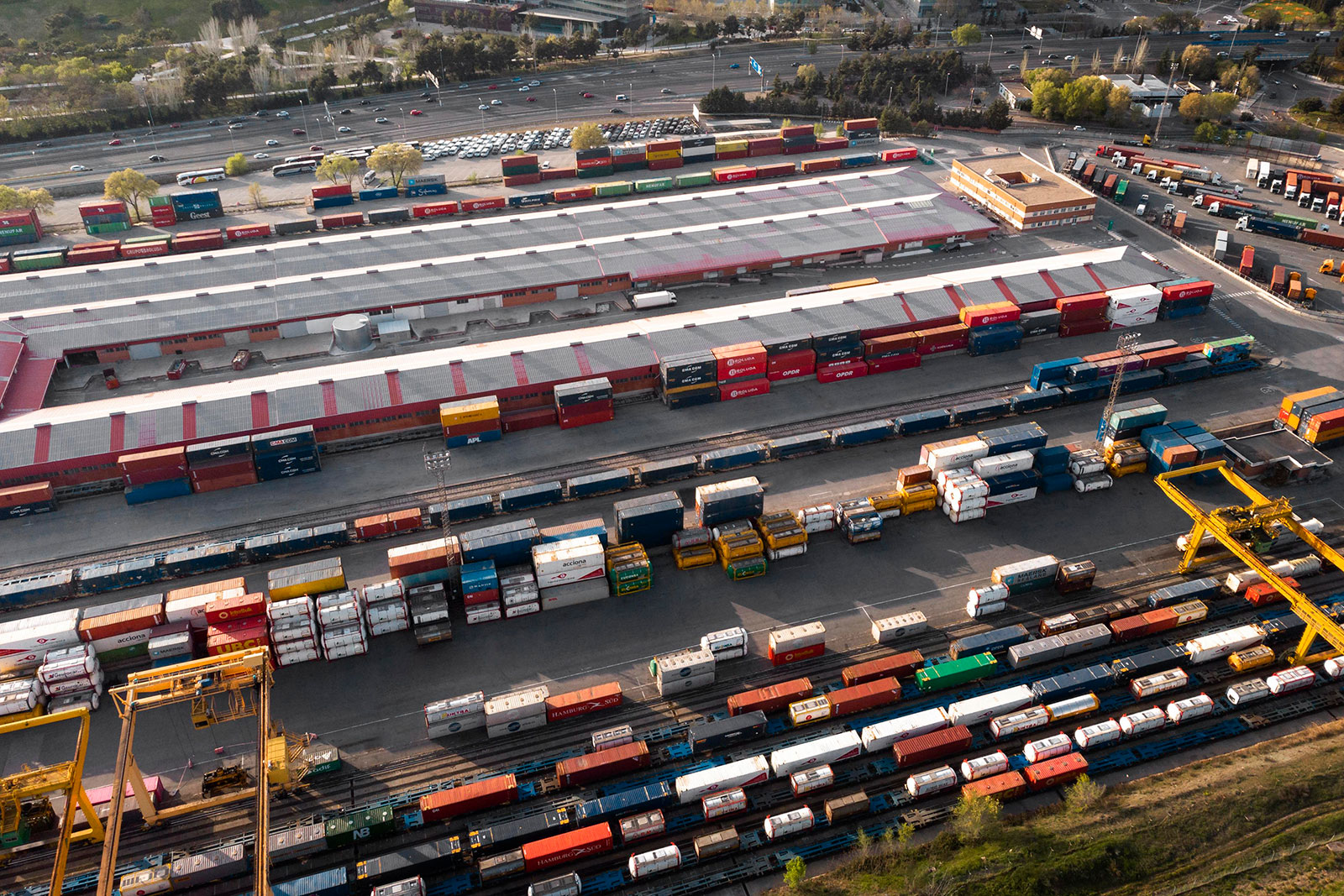
Today, this position is more important than ever. As global trade volumes continue to grow and businesses seek faster and more reliable logistics solutions, Turkey has established itself as one of the region’s most important transportation and trade hubs.
Why is Turkey so important for international transport?
Turkey’s geographic location provides a unique advantage. The country serves as a land connection between European markets and the countries of the Middle East, the Caucasus, and Central Asia.
Some of the most important transport corridors pass through Turkey, linking:
- Europe with the Middle East;
- the Balkans with Asia;
- the Black Sea region with the Mediterranean;
- Europe’s manufacturing centers with rapidly growing Asian markets.
Thanks to this strategic position, Turkey is not merely a transit country but a key logistics partner for thousands of businesses.
A strong economy and developed industry
In addition to being a logistics hub, Turkey is also one of the region’s largest manufacturing economies. The country has well-developed industries, including:
- automotive manufacturing;
- machinery production;
- textile manufacturing;
- electronics;
- construction materials;
- food processing.
These sectors generate a continuous flow of goods to European markets as well as to countries across the Middle East and North Africa.
The role of Turkish ports
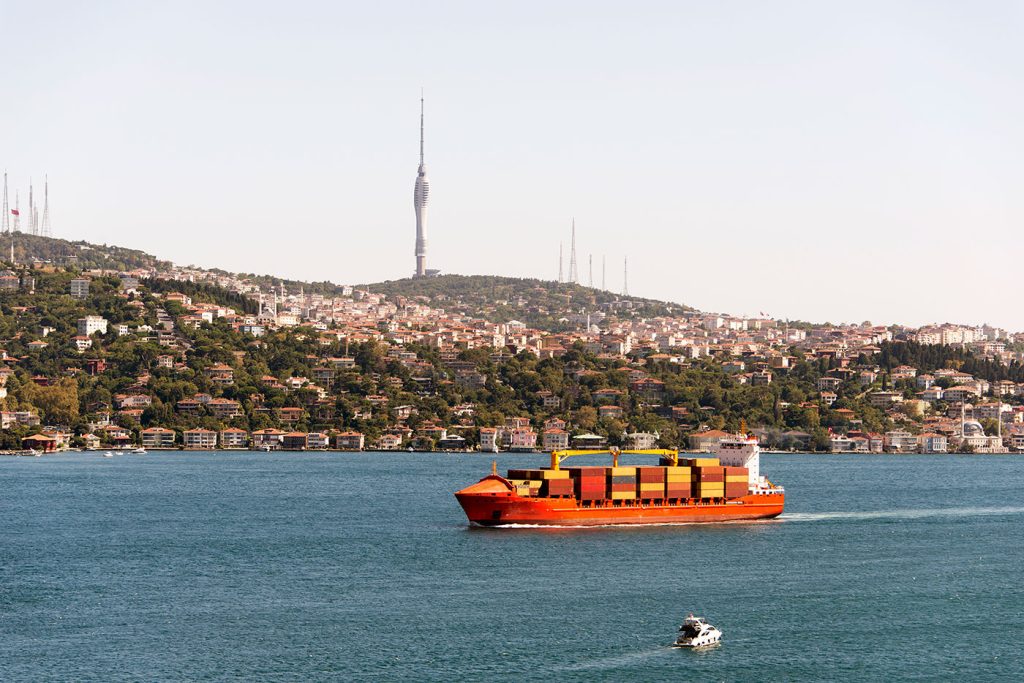
Maritime transport is another major factor behind Turkey’s importance as a logistics center.
Major ports such as Istanbul, Izmir, and Mersin handle a significant share of international cargo traffic in the region.
Through these ports, goods from Europe reach Middle Eastern markets, while cargo from Asia and Africa gains access to European consumers.
Turkey and road transport
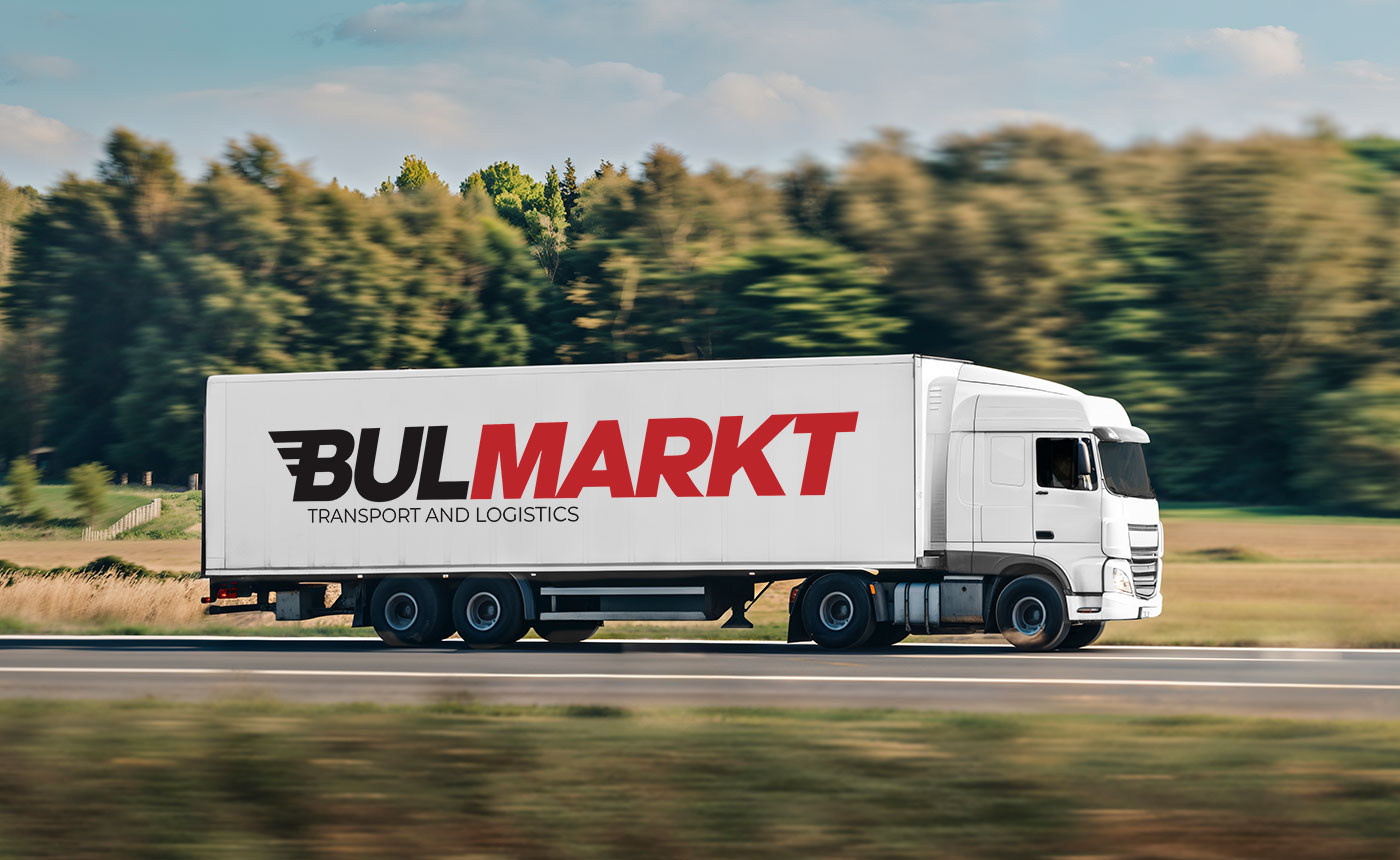
Road freight remains one of the most popular transportation methods between Europe and Turkey.
Several factors contribute to this:
- shorter transit times;
- greater delivery flexibility;
- the ability to transport a wide variety of goods;
- strong connections between industrial centers.
Every day, thousands of trucks cross the borders between Turkey and the European Union, ensuring a constant flow of goods between the two regions.
Opportunities for businesses
For European companies, Turkey provides access to a large domestic market and convenient connections to neighboring regions.
For businesses in the Middle East, the country serves as a natural gateway to Europe.
This makes Turkey an attractive destination for:
- manufacturers;
- trading companies;
- logistics operators;
- importers and exporters.
What can we expect in the future?
In recent years, Turkey has continued investing in transport infrastructure, highways, railways, and logistics centers.
These investments are designed to strengthen the country’s position as an international transport hub and facilitate the movement of goods between Europe and Asia.
As new trade routes develop and regional logistics become increasingly important, Turkey’s role in international transport is likely to continue growing.
Conclusion
Turkey is much more than a geographic link between two continents. It is a key player in international trade, logistics, and the movement of goods between Europe, the Middle East, and Asia.
Thanks to its strategic location, developed infrastructure, and strong industrial base, the country remains one of the region’s most important transportation hubs and a reliable partner for businesses operating in international markets.